Amplifying Rural Voices Through Mobimocc: A Digital Innovation Tackling GBV in Uganda
Story by: Pinno Ivan Louis, Digital Women Uganda
Focus areas: SDG 5 – Gender Equality; SDG 3 – Good Health and Well-being; SDG 10 – Reduced Inequalities
In many rural parts of Uganda, Gender-Based Violence (GBV) remains a hidden crisis. Survivors — particularly young women — often lack access to safe reporting mechanisms, accurate information, or supportive networks. Cultural silence, fear of stigma, and limited digital literacy only make the situation worse. In districts like Tororo, up to 70% of community members face GBV-related issues, yet service delivery remains inaccessible and fragmented.
To bridge this critical gap, Digital Women Uganda developed a local solution – Mobimocc. Mobimocc is a mobile-based consultation and e-learning platform powered by Interactive Voice Response (IVR) technology. Mobimocc empowers rural communities with on-demand access to GBV information, referral pathways, psychosocial support, and voice-based learning — all in local languages, even for those without smartphones or internet access.
This grassroots innovation champions digital inclusion, especially for women, youth, and people in hard-to-reach areas. It localises solutions by integrating community champions, GBV counselors, and digital tools that respect anonymity, accessibility, and agency.
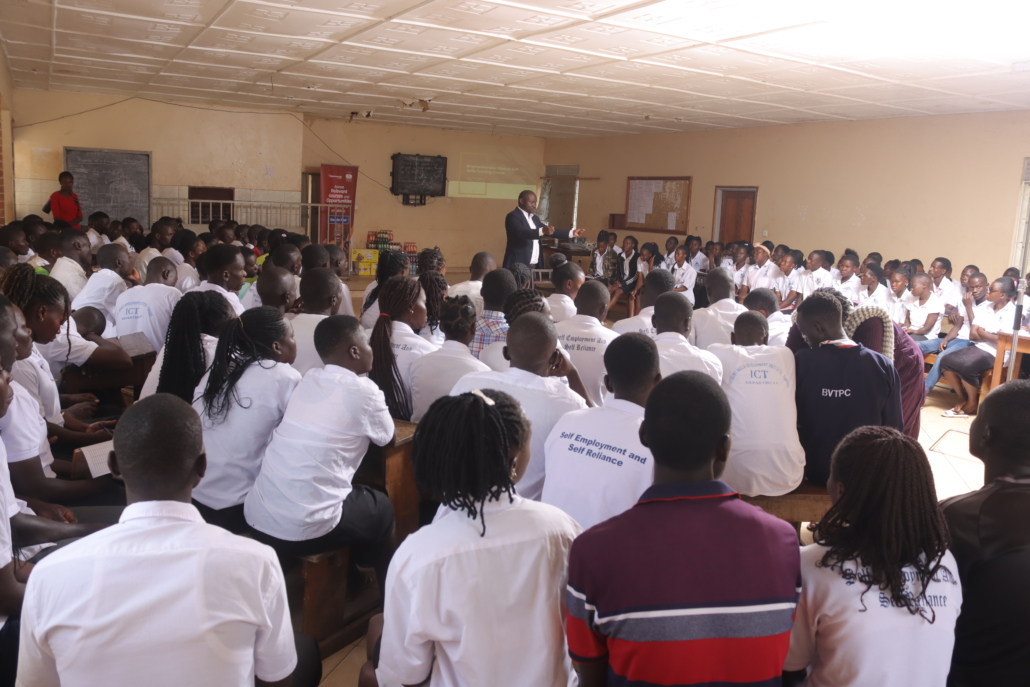
Local leaders, youth groups, and health workers have started adopting Mobimocc for referrals and awareness drives. The platform has enabled safe, stigma-free reporting, with an increasing number of women reaching out through voice prompts. Over 3,200+ users have been reached within the pilot phase in Busia and Tororo. The YAL funded project will help to scale this initiative to 5 more districts.
Policy & Advocacy Wins:
Digital Women Uganda has engaged local government leaders and District Community Development Officers (DCDOs) who are now advocating for the inclusion of voice-based GBV solutions in district development plans. The organisation has also used regional platforms to push for scalable and inclusive tech-based GBV interventions.
Mobimocc was recently spotlighted at the Civic Tech Innovation Forum and yet to be showcased at the Collaboration on International Policy for East and Southern Africa’s event dubbed Forum on Internet Freedom in Africa (FIFAfrica) 2025 in Windhoek, Namibia.
Digital Women Uganda shares the lessons learned with this initiative:
- Technology alone is not enough — it must be localised, human-centered, and backed by trusted community actors.
- Voice technology is a game-changer in low-connectivity contexts where digital divides are still deep.
- Co-creation with youth and women at grassroots levels ensures that solutions are not only adopted — they are owned.
Leveraging on the policy wins and advocacy wins, there is a plan to scale Mobimocc nationally, integrate AI-powered response features, and partner with local governments to institutionalise digital referral systems for GBV response. Mobimocc is more than innovation — it’s about restoring dignity, creating safe spaces, and reclaiming power for rural voices.